

Okay so let’s talk about tax for a second.
Most people hear the word and just switch off. I get it. Deductions, exemptions, slabs, TDS — it sounds like someone made up these words just to confuse you.
But here’s the thing. Tax concepts aren’t actually that complicated. They just need to be explained properly, which honestly doesn’t happen often enough.
I still remember staring at my first salary slip thinking, what is gross pay, what is net pay, why is there a deduction before I even got the money. Nobody really sat me down and explained it. So that’s basically what this blog is.
No fancy words. No textbook tone. Just the stuff I wish someone had told me earlier.
So What Are Tax Concepts Anyway?
Tax is money you pay to the government. Everyone knows that much.
But the way it’s calculated and collected? That involves a bunch of smaller ideas stacked on top of each other. Once you get those individually, the whole thing stops feeling like a maze.
I always compare it to cooking. You don’t need to know a thousand recipes. A few basic techniques and you can figure out most dishes. Tax is kind of the same — a small set of ideas, just applied differently each time.
1. Direct Tax vs Indirect Tax – Two Basic Tax Concepts
Quick one first.
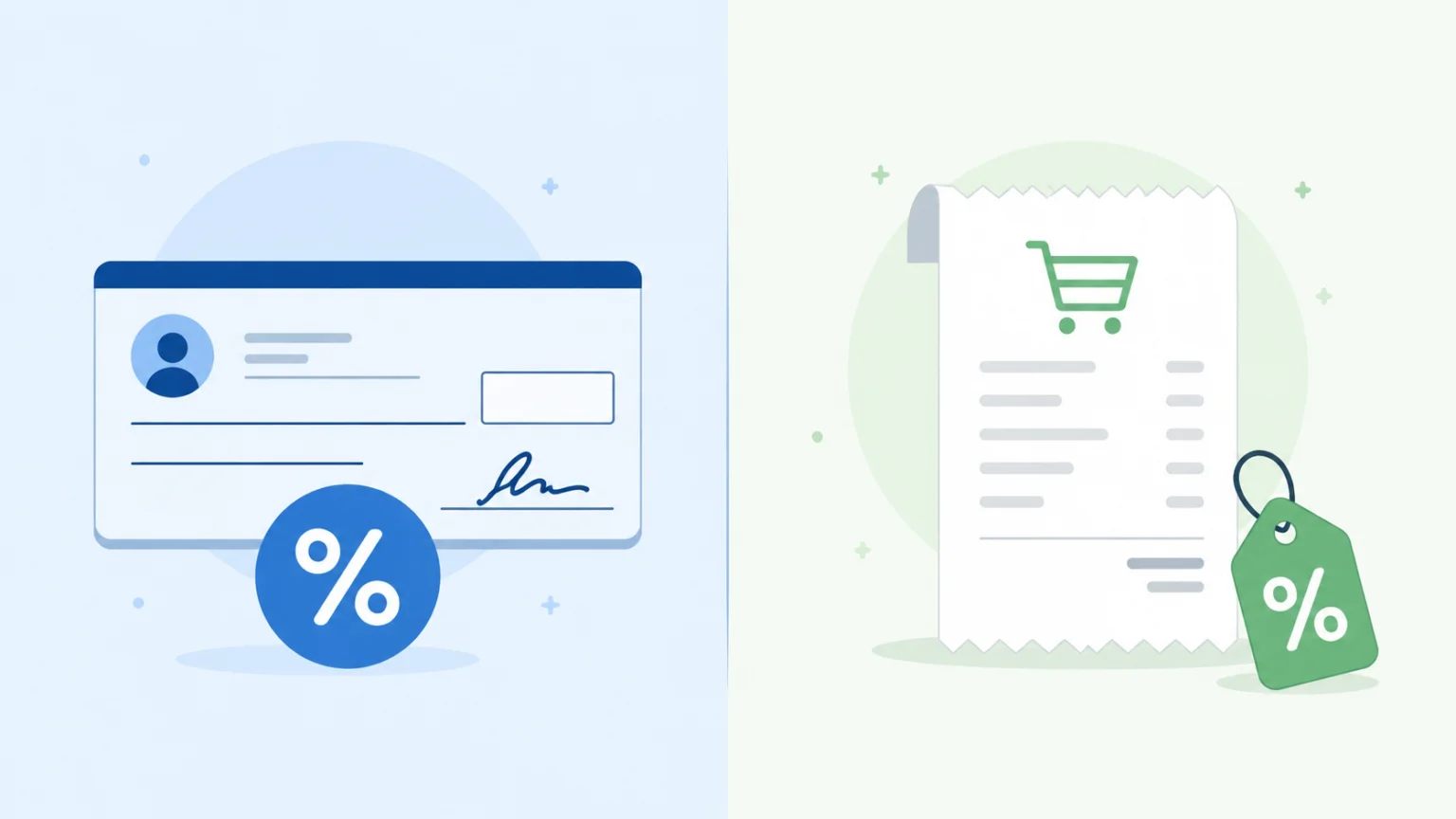
Direct tax is tax on what you earn. Earn more, pay more, simple.
Indirect tax gets added to things you buy. GST is the obvious example. Doesn’t matter if you’re rich or broke, you’re paying the same rate on that bottle of shampoo.
So salary tax = direct. That extra charge on your restaurant bill = indirect, already baked in before you even noticed.
Funny example actually — two people can walk into the same shop, buy the exact same shirt, and pay the exact same GST even if one of them earns ten times more than the other. Indirect tax just doesn’t care about income at all.
2. Taxable Income (Not the Same as Your Salary)
This one trips people up a lot.
Your salary isn’t what gets taxed directly. What actually matters is your taxable income — basically your total income minus whatever deductions you’re eligible for.
Which is why two coworkers earning the exact same salary can end up paying completely different tax amounts. One guy invests in retirement schemes, has health insurance, maybe a home loan. The other doesn’t bother. Same salary slip, very different tax bill.
3. Tax Slabs, and Why People Misunderstand Them

Most countries split income into ranges, called slabs, and tax each range differently.
Here’s the part everyone gets wrong though. People assume that crossing into a higher slab means their whole income suddenly gets taxed at that higher rate.
Nope. Doesn’t work that way.
Only the chunk of income that falls inside the higher slab gets taxed higher. Everything below still follows the earlier, lower rates. So no, getting a raise will never actually shrink your take-home pay. People panic about this way more than they need to.
4. Deductions and Exemptions – Tax Concepts That Save You Money

This is the fun part, honestly. This is where the actual saving happens.
Deductions reduce your taxable income. Retirement investments, insurance premiums, education loan interest — that kind of stuff.
Exemptions are slightly different. Some income just isn’t taxed at all, or allowances like house rent allowance get partial tax relief depending on conditions.
Most people lose money here not because they did something wrong, but because nobody ever told them to check. They just pay full tax on stuff that could’ve easily qualified for an exemption.
5. TDS, or Tax Deducted at Source
TDS basically means tax gets taken out before the money even reaches your hand.
Your employer or bank deducts a small percentage and sends it to the government directly. That’s the deduction you see on your salary slip before payday even happens.
It’s not an extra tax, just tax collected early. When you file your return later, this gets adjusted against whatever you actually owe.
If they deducted too much through the year, you get a refund. If too little, you pay the gap.
6. Filing Your Return
Think of your tax return like a report card you hand the government once a year.
It shows how much you earned, how much tax already got paid, and whether you owe more or you’re getting something back.
Filing late isn’t fun. Penalties, delayed refunds, the usual headache. Honestly though, it’s one of those things that feels scarier before you start than while you’re actually doing it.
For the official process, the IRS filing guide covers it well if you want the formal version.
7. Capital Gains
Sold property, stocks, or mutual funds for more than you paid? Congrats, that profit is called a capital gain. And yes, it gets taxed too.
Two flavors here.
Short-term capital gains come from stuff you held briefly. Taxed at a higher rate, usually.
Long-term capital gains come from stuff held longer. Better tax treatment, generally.
Timing really matters with this one. Sell a few months too early and you could end up paying noticeably more. Patience genuinely pays here, not just as a saying.
Why Understanding These Tax Concepts Actually Saves You Money
Here’s something I figured out late, way later than I should have.
Tax planning isn’t about dodging tax. It’s about using rules that already exist, legally, to pay less.
Every deduction and exemption exists for a reason. Governments want people saving, investing, spending in specific directions, so they build incentives into the tax code.
People who end up paying less tax usually aren’t earning less than everyone else. They just understand these tax concepts a bit better and plan ahead instead of digging through old receipts in a panic during the last week.
Tax Concepts to Know If You’re Self-Employed

Freelancers and small business owners deal with a few extra layers.
There’s no employer automatically deducting TDS for you, so you’re usually on the hook for paying advance tax yourself. Miss those payments and you can end up with extra interest charges.
On the upside, you can claim business expenses. Internet bills, rent, equipment, software subscriptions, that kind of thing. All of it reduces your taxable profit.
A lot of self-employed folks lose money simply because they never bothered tracking these expenses properly. Even a basic spreadsheet helps more than people expect.
Common Mistakes People Make
- Starting tax planning only when the deadline is near
- Not keeping proof of investments or expenses
- Mixing up gross income with taxable income
- Assuming TDS deduction means filing isn’t necessary anymore
- Forgetting about capital gains tax when selling investments
Avoid these and tax season stops being this dreaded thing. Most of these mistakes really come down to one habit — leaving everything for the last week.
Final Thoughts
Tax concepts feel overwhelming at first glance. But break it into pieces — income types, slabs, deductions, TDS, filing — and it stops being scary pretty quickly.
Nobody’s asking you to become a tax expert overnight.
You just need enough to make better decisions with your own money, and to dodge the traps that catch most beginners off guard.
Next time some tax term confuses you, come back to these basics. Most of it is built on the same handful of ideas anyway, just mixed and matched depending on where you live or how you earn.