

If you’ve just opened your email or the income tax portal and seen the words “selected for scrutiny,” your heart probably skipped a beat. That’s normal. Almost everyone reacts the same way the first time they get an income tax scrutiny notice. But here’s something worth knowing right away — this isn’t a verdict against you. It’s a question, not an accusation. Let’s go through what it really means, why it happens, and what you should actually do once it lands in your inbox.
So, What Is an Income Tax Scrutiny Notice?
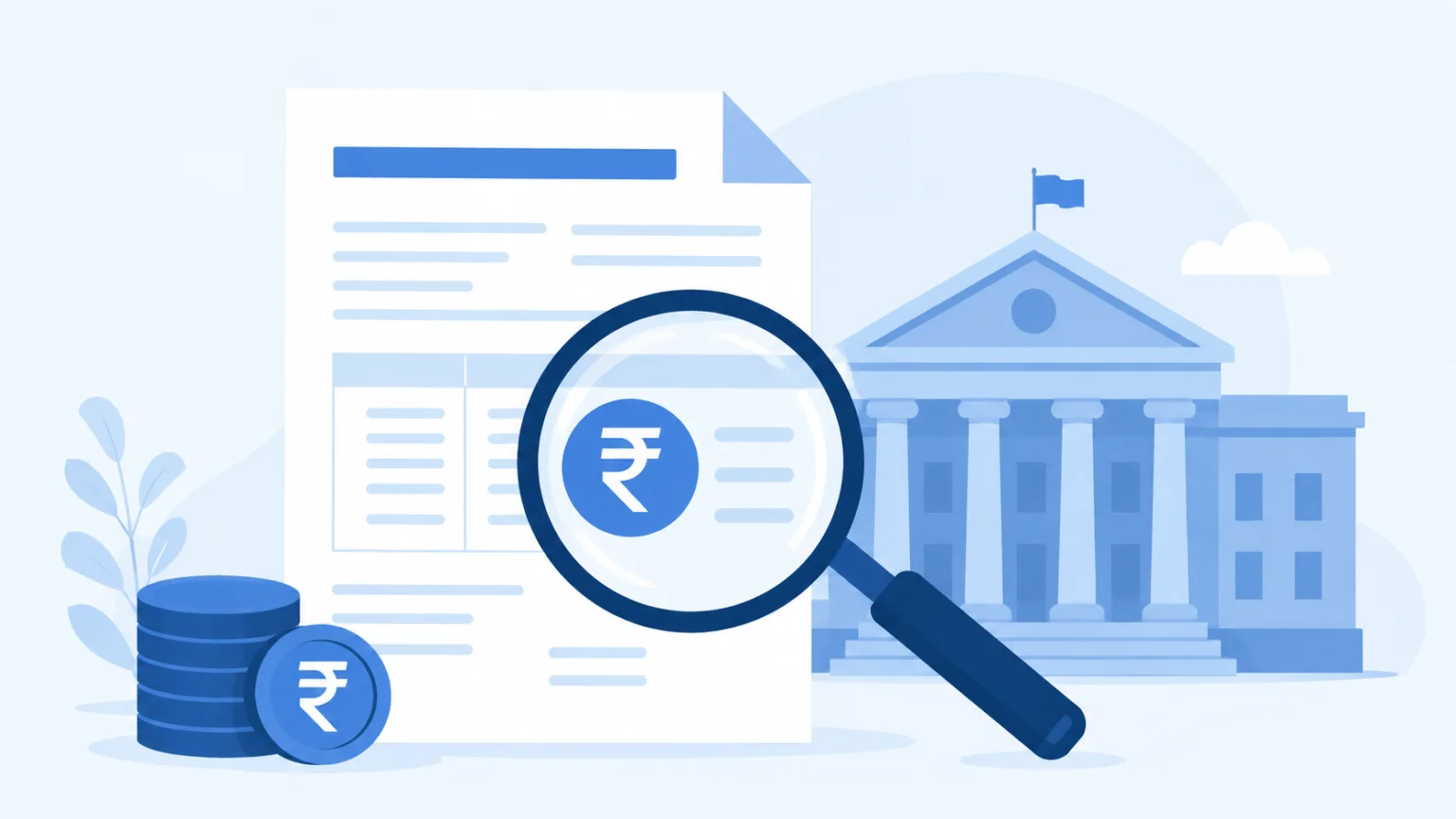
In the simplest terms, an income tax scrutiny notice means the tax department wants to look closer at the return you filed. Maybe something didn’t check out on their end, or maybe your return randomly selected for routine checks. Either way, it’s usually issued under Section 143(2) of the Income Tax Act, and it tells you that your case has moved from “processed and closed” to “let’s take a second look.”
I know that sounds intimidating, but think of it like this — banks ask for extra documents sometimes too, and that doesn’t mean you’re in trouble. It just means someone wants more clarity before moving forward.
Why Does the Department Send a Scrutiny Notice?
There’s no single trigger here. Honestly, it could be a dozen different things, and most of the time it has nothing to do with intentional wrongdoing. Common reasons an income tax scrutiny notice gets issued include:
- Mismatched income figures — Your Form 26AS or AIS shows something different from what you actually declared.
- Big transactions — Large cash deposits, a property purchase, or unusually high credit card spending can catch attention.
- Pure random selection — CASS (Computer Assisted Scrutiny Selection) genuinely does pick a percentage of returns at random every single year.
- Deductions that look too high — If you claimed exemptions that seem disproportionate to your income level, it can raise a flag.
- Year after year losses — Businesses that keep reporting losses consistently sometimes attract closer review.
- TDS mismatch — When what your employer or client deducted doesn’t line up with what you claimed in your return.
None of these automatically mean you’ve done something wrong. They’re just patterns that make a return worth a second glance.
The Different Types of Scrutiny Cases
Not all scrutiny notices are created equal. Depending on what triggered it, your case will fall into one of a few categories.
Limited Scrutiny
This is by far the most common type, and honestly, the least stressful. The department usually wants clarification on just one or two specific points maybe a deduction you claimed, or a particular transaction that didn’t match their records. Once you clear that up with proper documents, the case usually wraps up fairly fast.
Complete Scrutiny
This one’s more involved. The assessing officer goes through your entire return every income source, every deduction, every expense claimed. It takes longer, and you’ll likely need to submit a fuller set of documents to support your numbers.
Manual Scrutiny
Some cases get pulled out manually based on criteria set by the Central Board of Direct Taxes (CBDT). These usually involve bigger amounts or recurring discrepancies that show up across multiple years, not just one.
What Should You Actually Do After Getting This Notice?

Okay, let’s get practical. Here’s a step-by-step approach that genuinely works once you’ve received an income tax scrutiny notice:
- Read the entire notice carefully. Note down the assessment year it refers to, the section it’s issued under, and most importantly, the deadline to respond.
- Don’t put it off. Missing the deadline can lead to what’s called a best-judgment assessment, and trust me, that almost never works out in your favor.
- Pull together your documents. Bank statements, salary slips, Form 16, investment proofs, rent receipts — basically anything that backs up the numbers you originally filed.
- Log in to the e-filing portal. Most responses today happen entirely online through the Faceless Assessment Scheme, so you don’t need to visit any office.
- Be clear and honest in your reply. Vague answers tend to invite follow-up notices, which just stretches the whole process longer than it needs to be.
- Bring in a professional if needed. If the case involves complicated transactions or large sums, a chartered accountant can genuinely make the process smoother and less stressful.
A Quick Word on the Faceless Assessment System
A few years ago, dealing with a scrutiny notice usually meant sitting across a desk from an income tax officer, explaining yourself in person. That’s largely a thing of the past now. Under the Faceless Assessment Scheme, your entire income tax scrutiny notice process from the notice itself to your replies and document uploads happens online through the e-filing portal. There’s no physical interaction with the assessing officer at all. This was introduced mainly to cut down on corruption risks and bring more transparency into the system, and for the most part, it’s made the process a lot less intimidating for regular taxpayers.
What Happens If You Just… Don’t Respond?

This is probably the worst move you can make. Ignoring an income tax scrutiny notice doesn’t make it disappear it just makes things worse. If you don’t respond within the given timeframe, here’s what typically happens:
- The officer ends up passing an assessment based only on whatever information they already have access to, and it’s rarely in your favor.
- You could end up paying additional tax, interest charges, and sometimes penalties on top of that.
- Your filing history takes a hit too, which can make you more likely to get picked for scrutiny again in future years.
If you genuinely need more time to gather documents, the portal usually allows you to request an extension. That’s always a better option than letting the deadline slip by completely.
Mistakes People Commonly Make During Scrutiny
Having seen how these situations usually unfold, a few patterns keep repeating themselves:
- Submitting documents that don’t actually match the numbers in the original return
- Giving rushed, incomplete answers just to “get it over with” quickly
- Not keeping solid proof for deductions or exemptions claimed earlier
- Starting to gather paperwork only on the last possible day
- Trying to handle a genuinely complex case completely alone, without any professional guidance
Avoiding even two or three of these can make the entire experience far less stressful.
Can You Reduce the Chances of Getting Scrutinized in the Future?
You can’t fully control random selection that’s just how the system works. But you can definitely lower your odds by keeping your filings clean and consistent year after year:
- File your returns on time, every single year, without skipping or delaying
- Double-check that your reported income matches what’s reflected in Form 26AS and AIS
- Hold on to supporting documents for every deduction or exemption you claim, even small ones
- Try to avoid large, unexplained cash transactions wherever you reasonably can
- Report every source of income, even something as minor as savings account interest
Final Thoughts

Getting an income tax scrutiny notice can feel unsettling the first time, but it’s really just the department asking for a bit more clarity, not pointing fingers at you. The smartest thing you can do is stay calm, respond well before the deadline, and back up every claim with solid documentation. And if the case feels even slightly complicated, bringing in a chartered accountant early on usually saves you both time and a fair bit of unnecessary stress down the line.
Since tax rules and procedures do get revised from time to time, it’s always worth double-checking the latest guidelines directly. You can visit the official Income Tax Department e-filing portal for notice-specific updates, or check the CBDT website for circulars related to assessment procedures. And honestly, when in doubt, a quick consultation with a registered tax professional is almost always worth the small fee — it can save you a lot more in the long run.