

Crop Insurance: A Simple Guide Every Farmer Should Read
A few years ago, a farmer near my town lost his entire rice crop in one week.
No flood. No storm. Just a pest attack that spread faster than anyone expected. He had put everything into that season. Seeds, fertilizer, labor. All of it gone.
He had no crop insurance. So he got nothing back.
That story stuck with me. Because it wasn’t about a careless farmer. He was careful. He was experienced. He just didn’t have a backup plan when things went wrong.
That’s what crop insurance is. A backup plan.
What Is Crop Insurance?
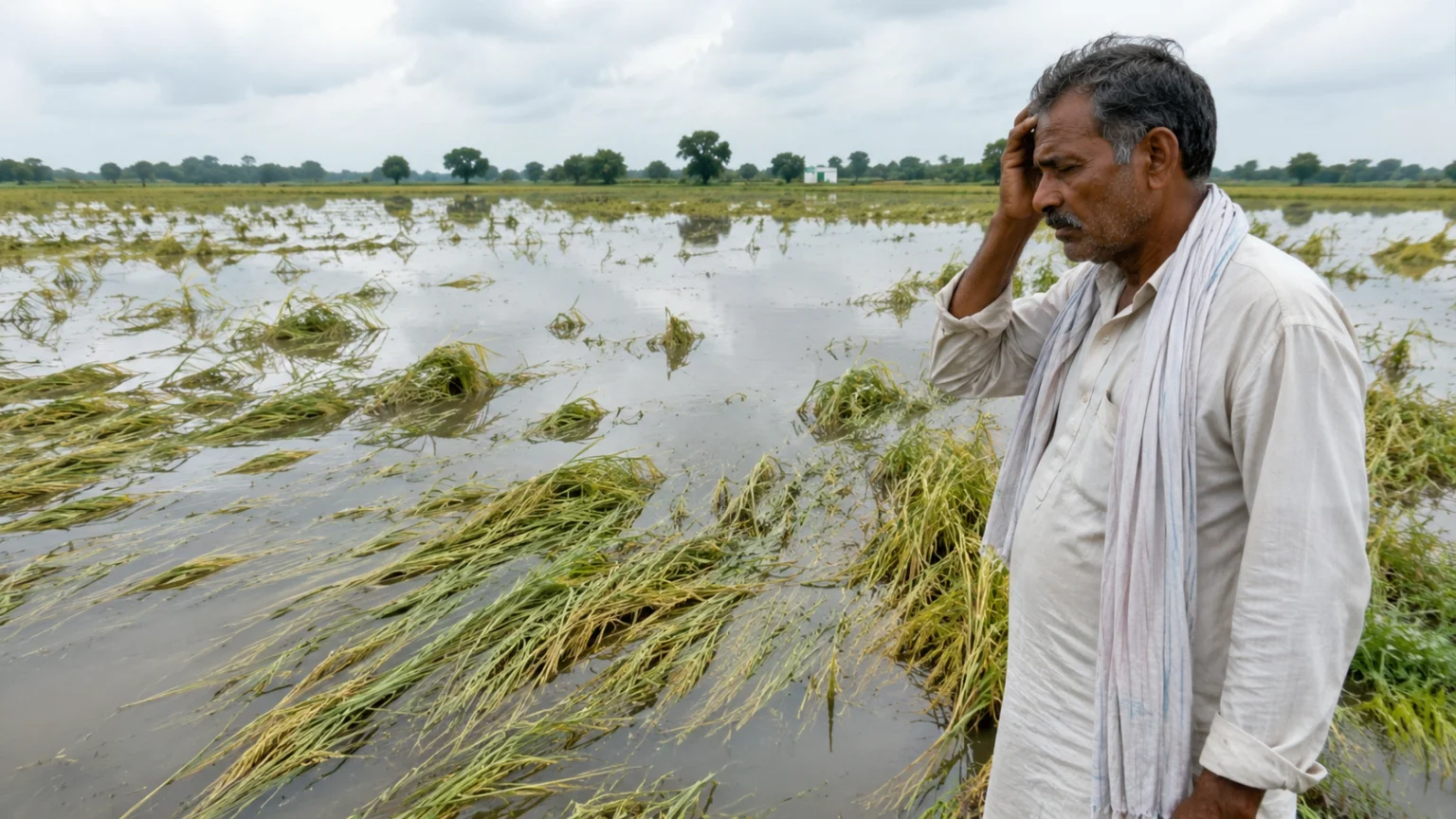
Crop insurance is a way for farmers to protect themselves from big losses.
When your crop gets damaged because of drought, heavy rain, hail, frost, or pests, you get money back from the insurance company. It won’t bring back the crop. But it gives back some of what you spent growing it.
Think of it like health insurance. You pay a small amount every month. If something goes wrong, the company helps you cover the cost. Crop insurance works the same way. Just for your farm instead of your body.
Why Do Farmers Need Crop Insurance?
Farming is not a safe job. Anyone who has done it knows that.
You plan everything carefully. You choose the right seeds. You prepare the soil. You water at the right time. And then one unexpected storm can wipe out weeks of work in a single night.
That’s the hard truth about farming. So much of it is out of your hands.
When something like that happens without crop insurance, a farmer has to figure out everything alone. How to pay back loans. How to feed the family. How to find money for the next season. It becomes a very stressful situation very fast.
Crop insurance doesn’t stop bad weather from coming. But it stops bad weather from destroying everything a farmer worked for.
How Does Crop Insurance Work?

It works in a simple way.
Before the season starts, a farmer pays a small fee called a premium. In return, the insurance company agrees to pay compensation if the crop is damaged for reasons covered in the policy.
If damage happens during the season, the farmer reports it to the company. The company checks the damage and pays out the compensation.
That’s the basic process. It’s not complicated once you understand it.
One more thing worth knowing. In many countries, the government also helps pay part of the premium. So the actual amount a farmer has to pay is much smaller than you might think. This makes crop insurance affordable even for small farmers.
What Types of Crop Insurance Are There?
There are a few different types. Here are the main ones explained simply.
Yield-based crop insurance pays you when your harvest is lower than expected. If drought or disease cuts your output down badly, this plan covers the shortfall.
Weather-based crop insurance pays based on actual weather data. If rainfall drops below a certain level during the season, you get paid. You don’t have to prove crop damage separately. The weather data does that for you.
Revenue-based crop insurance goes one step further. It covers you not just for a bad harvest but also for falling market prices. If your crop yield was okay but the price crashed before you could sell, this plan still pays you.
Which one is right for you depends on your region and your crop. A farmer in a drought-prone area has different needs from someone who farms near a river that floods. It’s worth asking a local agriculture officer what makes sense for where you farm.
How to Choose the Right Plan
Choosing the right crop insurance plan is not that hard once you know what to look for.
First, check what risks the plan actually covers. Some plans cover drought but not pests. Some cover flooding but only up to a certain point. Read this carefully before signing anything.
Second, find out how the payout is calculated. You want to know exactly how much you’ll get back if something goes wrong. Not a vague answer. A clear number or formula.
Third, ask whether government subsidies apply to the plan you’re looking at. In many places, the government pays a big part of the premium. Your actual cost could be much lower than the full price.
Fourth, talk to other farmers nearby who already have crop insurance. Ask them how the claim process went. Were they happy with the settlement? Did it take too long? Real experiences from real people are more useful than anything a company brochure will tell you.
What Happens When You Need to File a Claim?

A lot of farmers worry that the claim process will be a nightmare. And yes, in the past it sometimes was.
But today most schemes have become a lot clearer and faster. Many even let you report damage through a phone app or a simple call.
The most important rule is to report damage quickly. Most policies have a short window for reporting, sometimes 48 to 72 hours after the event. If you miss that window, your claim can get rejected even if the damage was very real.
Keep records throughout the season. Your sowing date. Your expenses. Photos of your field. If something goes wrong, all of this makes your claim faster and smoother.
A small habit of keeping records can save you a lot of trouble when it actually matters.
Is It Worth Paying the Premium Every Season?

This is the question most farmers ask at some point.
Think about it this way. You invest a lot into every season. Seeds, fertilizer, water, labor. That’s real money. And that money is sitting in your field, exposed to weather, pests, and things you cannot control.
Crop insurance is a small fee compared to that total investment. And if something goes wrong, it can be the difference between recovering and not recovering.
Most farmers who have never needed to file a claim still say they don’t regret paying the premium. Because the peace of mind is worth it on its own. Knowing that if the worst happens, you’re not completely on your own changes how you approach the season.
Common Mistakes Farmers Make
A few mistakes come up over and over. Knowing them in advance helps you avoid them.
Waiting too long to get insured. Most schemes have enrollment deadlines before the season starts. If you miss it, you have to wait for the next season. Don’t wait until you see dark clouds to start thinking about crop insurance.
Not reading what’s covered. Buying a plan without checking the details is a problem many farmers realize only when they file a claim and find out something isn’t covered.
Forgetting to report damage on time. This is probably the most common reason claims get rejected. Report damage as soon as it happens, not after a few days.
Not keeping records. No receipts, no photos, no sowing dates. This makes the claim process longer and harder than it needs to be.
Final Thoughts
Farming is hard work. Everyone who has done it knows that better than anyone else.
You put in months of effort every season. You deal with heat, labor, uncertainty, and a hundred small problems along the way. All of that deserves protection.
Crop insurance is not about expecting disaster. It’s about making sure that if disaster comes anyway, it doesn’t take everything with it.
The farmer I mentioned at the start of this post. He got crop insurance the very next season. He said it was the one change that made farming feel a little less like gambling.
If you haven’t looked into crop insurance yet, this is a good time to start. Before the season begins. Before the weather turns. While there’s still time to make a calm decision instead of a panicked one.
Your hard work deserves a safety net. Crop insurance is exactly that.