

Okay, real talk. If you’re reading this, there’s a good chance you’ve got more than one bill sitting in your inbox right now.
A credit card here, a personal loan there, maybe a buy-now-pay-later thing you forgot about until the reminder popped up.
I’ve lived that exact mess. I remember the night I finally sat down with a notepad and wrote out every single thing I owed. It wasn’t pretty.
But that’s also the night I started looking seriously into debt consolidation loans. Honestly, it changed how I handled money for the better.
So that’s what this post is. Not a textbook definition, not a sales pitch from a lender.
Just a straightforward walk-through of what debt consolidation loans actually are, how they work in real life, when they’re genuinely worth it, and when they’re not. I promise, no jargon dumps.
So What Exactly Are Debt Consolidation Loans?
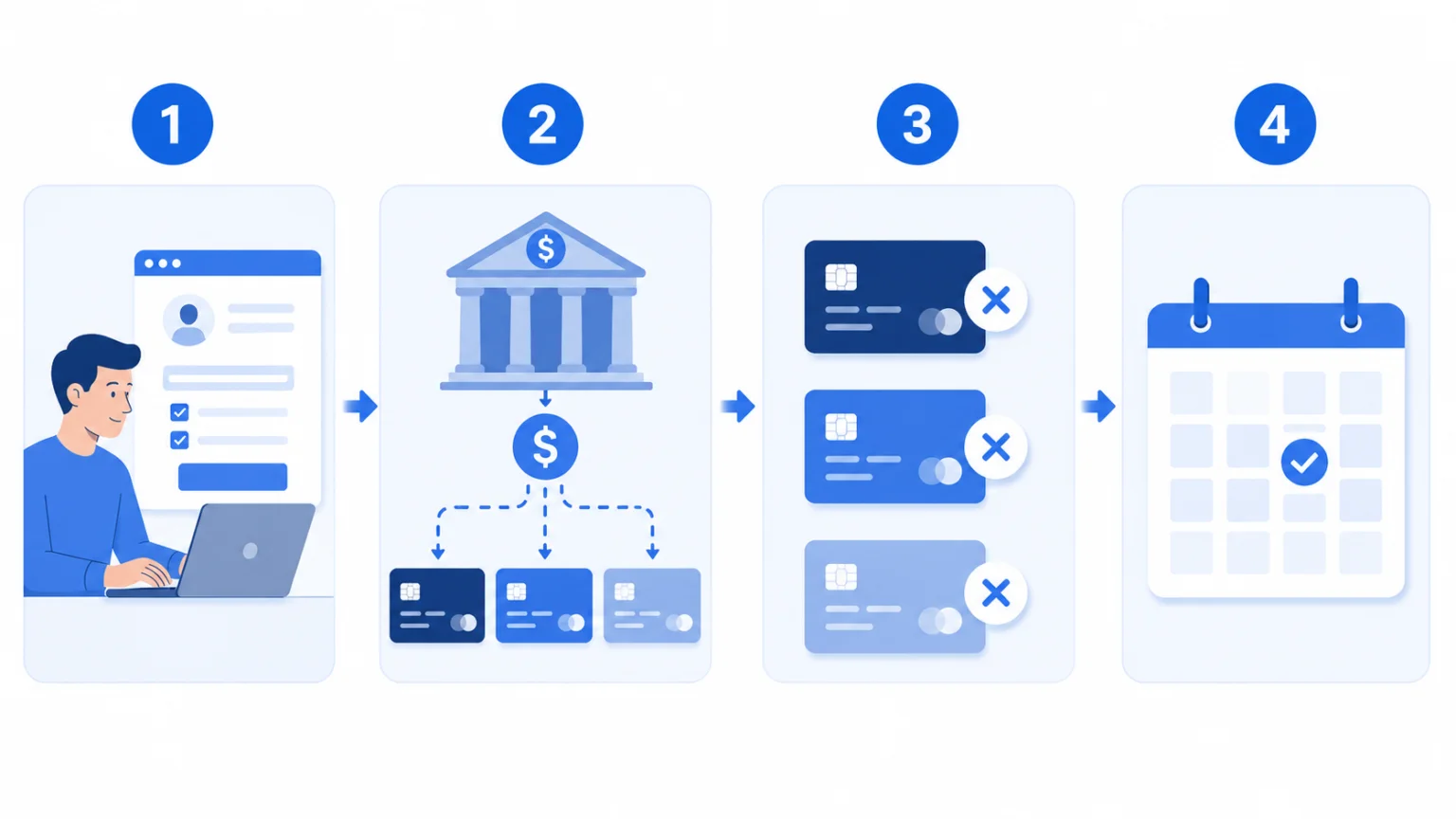
In the simplest terms, debt consolidation loans take a handful of separate debts and roll them into one new loan.
Instead of paying four or five creditors on four or five different due dates, you take out a single loan big enough to cover everything.
You pay off the old balances, and from that point forward you’re only dealing with one lender and one monthly payment.
I like to compare it to cleaning out a junk drawer that’s somehow turned into three junk drawers. The stuff doesn’t vanish, but at least now it’s all in one place.
That’s really the heart of it. Debt consolidation loans don’t erase what you owe, they just reorganize it into something far easier to manage day to day.
How Do Debt Consolidation Loans Work Step by Step?
Here’s roughly how the process plays out, and it’s less complicated than people assume:
- You apply for a new loan, usually a personal loan, for an amount that covers everything you currently owe.
- Once approved, the lender either sends the money directly to your old creditors or deposits it into your account so you can pay them off yourself.
- Your previous accounts get closed out or zeroed to a balance of zero.
- From here on, you make one single payment each month toward the new loan, ideally at a lower interest rate than before.
That last part, the lower interest rate, is really where the value comes from.
If you’re not getting a better rate, the consolidation still simplifies your life. But it might not save you much money. Worth keeping in mind before you sign anything.
Why So Many People Choose Debt Consolidation Loans

I’ve asked myself this same question. After going through it personally, the reasons usually boil down to a few things that just make life easier.
- One payment instead of five. There’s a real mental relief in not having to remember multiple due dates and amounts.
- Lower overall interest, when you qualify. Credit cards especially carry brutal rates. A consolidation loan, with solid credit, often comes in noticeably lower.
- An actual finish line. Credit card minimums can drag on for years with barely any progress. A consolidation loan has a fixed term, so you know when you’ll be debt-free.
- Less day-to-day stress. Knowing exactly what you owe and when it ends does wonders for your peace of mind.
Are Debt Consolidation Loans Right for Everyone? Honestly, No
I want to be upfront here because a lot of guides oversell this option.
Debt consolidation loans work best under certain conditions, and it’s worth being honest with yourself before jumping in.
They make sense when your credit score is good enough to actually get offered a lower rate than what you’re currently paying.
They also work well when you’ve got the discipline to not run your old credit cards back up the moment they hit zero. That’s harder than it sounds, myself included at one point.
And they require a steady income, so the new monthly payment doesn’t become its own source of stress.
If your credit score is on the lower side, you might still get approved. But the rate could end up just as high, or even higher, than what you’re already dealing with.
In that case, it’s smarter to explore alternatives like nonprofit credit counseling or a structured repayment plan first.
Secured Loans vs Unsecured Loans: What’s the Difference?

You’ll typically run into two flavors of debt consolidation loans, and the difference matters more than people realize.
Unsecured loans are loans that are not backed by any collateral. The decision to approve is based solely on your income, credit history and overall financial picture.
This is where most personal loans for debt consolidation come in. They are usually the lower risk option because there is no asset on the line.
Secured loans, however, are loans that require collateral, typically a home or a vehicle. These typically have lower interest rates as the lender is at less risk.
But the catch is real: if you fall behind on payments, you could lose whatever you put up as collateral. Only go this route if you’re genuinely confident you can keep up, month after month.
What to Do Before You Apply

Before you fill out a single application, take these steps. They’ll save you from a lot of regret later.
- Pull your credit score. This number shapes what kind of rate you’ll actually be offered.
- Write down every debt you currently have, including the balance, interest rate, and minimum payment on each one. Yes, even the embarrassing store card.
- Get quotes from more than one lender. Banks, credit unions, and online lenders can offer wildly different terms for what looks like the same product.
- Read every line of the fine print. Look specifically for origination fees, prepayment penalties, and late payment charges.
- Have a real plan for what happens after. Decide ahead of time whether you’ll close those old cards or leave them untouched.
Mistakes People Make With Debt Consolidation Loans
I’ve either made these myself or watched friends make them. Consider this a friendly heads-up.
- Accepting the very first loan offer without comparing rates anywhere else.
- Paying off the old credit cards but keeping them open and active, which often leads straight back into double debt.
- Often,extending the loan term just to reduce the monthly payment ends up costing you more interest over the life of the loan.
- Overlooking hidden fees that quietly eat away at whatever savings you thought you were getting.
Is It Actually Worth It?
For a lot of people, yes, genuinely. Debt consolidation loans can simplify your financial life and save real money.
But only when you go in with a clear head and realistic expectations about your own spending habits.
This isn’t a magic trick that fixes overspending on its own. It’s a tool.
Used thoughtfully, it buys you breathing room and a clear, visible path toward becoming debt-free. Used carelessly, it just reshapes the same problem into a slightly different form.
If you’re seriously considering this step, don’t rush it. Compare a handful of lenders and read every term carefully before signing.
Be brutally honest with yourself about whether your spending habits are actually going to change going forward.
For detailed, unbiased guidance on comparing loan terms, a resource like the Consumer Financial Protection Bureau is genuinely worth bookmarking.
At the end of the day, getting out of debt has never really been about finding some clever shortcut. It’s about finding an approach that actually fits how you live and spend.
For the right person, at the right time, debt consolidation loans can be exactly that, the thing that finally makes your finances feel manageable again.